

Garage Installation in Spruce Grove, AB
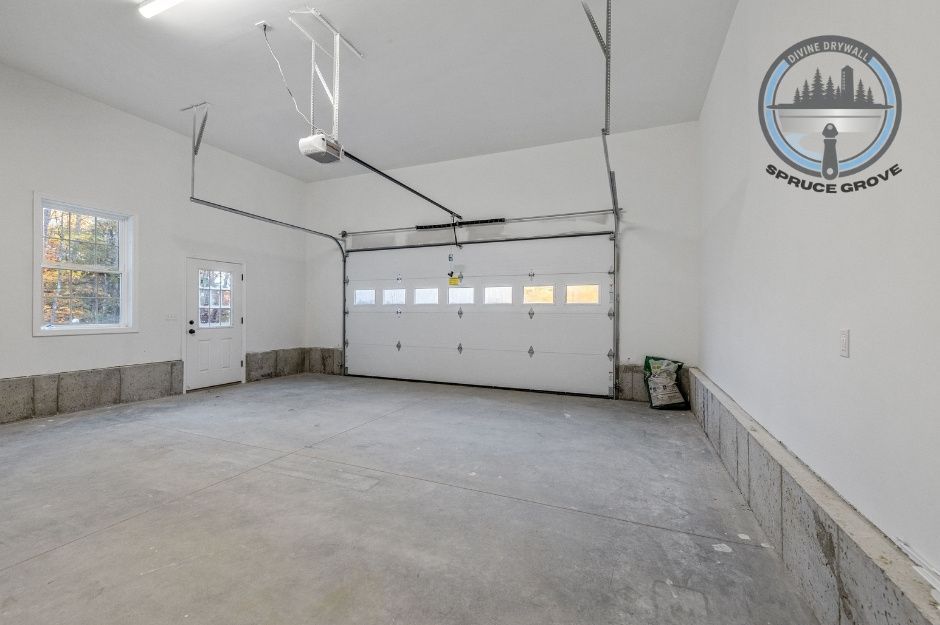
Divine Drywall Spruce Grove provides professional garage installation drywall services for both residential and commercial properties throughout Spruce Grove, Alberta. Whether you’re finishing a new build or upgrading an older garage, our team installs fire-rated boards, insulated systems, impact-resistant materials, and durable wall and ceiling assemblies built to withstand the demands of garage environments.
Garages face constant temperature swings, humidity from vehicles, and frequent impacts from tools, equipment, and daily activity. Our installers use Type X fire-rated drywall, reinforced heavy-duty panels, vapour barriers, and proper insulation techniques to meet building codes and create long-lasting surfaces. We also complete precise cutouts for electrical systems, lighting, overhead door hardware, and storage installations.
From attached garages requiring code-compliant fire separation to detached workshops needing durable and moisture-resistant interior finishes, Divine Drywall Spruce Grove ensures each installation is structurally sound, properly sealed, and built for long-term performance.
For expert garage framing, drywall hanging, and complete interior assembly, call 587-415-5093 or visit our parent page: Garage Drywall Services.
Divine Drywall Spruce Grove (SP)

Garage Installation Services in Spruce Grove
Professional garage installation requires specialized drywall techniques to handle moisture, temperature fluctuations, and structural demands. Divine Drywall Spruce Grove delivers comprehensive installation services covering walls, ceilings, and complete interior finishing for both residential and commercial projects.
Garage Drywall Install
Your garage drywall installation demands materials that withstand temperature changes and moisture exposure common in Spruce Grove's climate. Standard residential drywall often fails in garage environments due to humidity from vehicles and seasonal temperature swings.
Fire-rated drywall installation is mandatory for attached garages to meet building codes. This specialized board provides crucial fire resistance between your garage and living spaces. Impact-resistant drywall protects high-traffic areas from damage caused by equipment, tools, and vehicle doors.
Installation Process:
- Moisture barrier application
- Fire-rated board placement on shared walls
- Impact-resistant panels in work areas
- Proper joint sealing and finishing
Commercial garage installations require heavy-duty board systems designed for industrial use. These materials resist dents, scratches, and moisture better than standard options. Divine Drywall Spruce Grove at 587-415-5093 handles both residential and commercial specifications.
Insulated garage drywall combines thermal barriers with protective boarding. This approach reduces energy costs if you heat your garage and prevents condensation buildup on interior surfaces.
Garage Wall Installation
Garage wall installation varies significantly between attached and detached structures. Attached garages require fire-rated wall systems on any surface connecting to your home. Detached garages allow more flexibility in material selection and finishing options.
Wall System Components:
- Structural framing assessment and reinforcement
- Vapor barriers for moisture control
- Insulation placement for temperature regulation
- Drywall panel installation and finishing
Your wall installation must accommodate electrical outlets, switches, and storage systems. Proper planning ensures drywall panels align correctly with electrical components and mounting points for shelving or cabinets.
Heavy-duty board installation works best for workshop areas where tools and equipment create potential impact damage. These specialized panels cost more initially but reduce long-term repair expenses. Standard drywall suffices for vehicle parking areas with minimal activity.
Professional installation ensures proper joint treatment and corner reinforcement. Poor workmanship leads to cracks, moisture penetration, and finish failures within months of completion.
Garage Ceiling Installation
Garage ceiling installation presents unique challenges due to structural loads, ventilation requirements, and access to mechanical systems. Your ceiling choice affects both functionality and long-term maintenance requirements.
Ceiling Considerations:
- Structural support for storage loads
- Ventilation integration for air circulation
- Lighting fixture accommodation
- Insulation for attached garage energy efficiency
Exposed ceiling systems allow easy access to electrical, plumbing, or HVAC components. However, finished ceilings provide better appearance and protect utilities from dust and debris. Fire-rated ceiling assemblies are required between garage spaces and living areas above.
Moisture management becomes critical in ceiling applications. Poor ventilation causes condensation buildup leading to mold, mildew, and drywall deterioration. Proper vapor barriers and ventilation systems prevent these issues.
Heavy-duty ceiling boards resist sagging under storage loads or minor impacts from ladders and equipment. Standard drywall thickness may prove insufficient for garage applications requiring durability. Professional assessment determines appropriate board specifications for your specific requirements and usage patterns.
Specialized Drywall Solutions for Garages
Garage spaces require specific drywall materials that can withstand unique challenges like temperature fluctuations, moisture exposure, and potential impacts. Professional installation of fire-rated boards, impact-resistant materials, insulation-backed panels, and heavy-duty systems ensures your garage meets safety codes while providing long-lasting durability.
Fire-Rated Board Install
Fire-rated drywall boards provide critical protection between your garage and living spaces. These specialized panels contain glass fibers and other fire-resistant materials that slow flame spread and maintain structural integrity during fires.
Code Requirements:
- Attached garages: 5/8-inch Type X fire-rated board on garage side
- Ceiling protection: Fire-rated ceiling required below living spaces
- Door openings: Special fire-rated assemblies around entry doors
You need fire-rated boards installed on all walls separating the garage from your home's interior. The installation process requires precise cutting around electrical outlets and proper sealing of joints to maintain the fire rating.
Professional drywall specialists understand local building codes and ensure proper installation techniques. They use fire-rated joint compound and follow specific fastening patterns to maintain the board's protective properties throughout your garage renovation drywall project.
Impact-Resistant Board Install
Impact-resistant drywall boards withstand dents, holes, and damage from garage door operations, sports equipment, and vehicle contact. These boards feature reinforced cores that absorb impacts without cracking or breaking.
Key Benefits:
- Resists dents from bicycles, tools, and equipment
- Reduces repair costs in high-traffic garage areas
- Maintains appearance despite regular impacts
Standard drywall often fails in garage environments where impacts are common. Impact-resistant boards use paperless facing or reinforced gypsum cores that flex rather than break under stress.
Your garage panel installation should prioritize impact-resistant materials in areas near garage doors, workbenches, and vehicle parking zones. These boards cost more initially but reduce long-term maintenance and repair expenses.
Professional installation ensures proper fastening patterns that maximize impact resistance. Installers space fasteners correctly and use appropriate screw types to maintain the board's structural integrity.
Insulated Garage Drywall
Insulated garage drywall combines moisture resistance with thermal protection for year-round comfort and energy efficiency. These systems include vapor barriers and insulation backing that regulate temperature and prevent condensation issues.
Insulation Options:
- Foam-backed drywall boards for basic thermal protection
- Separate insulation with moisture-resistant drywall overlay
- Reflective barrier systems for extreme temperature control
Your insulated garage drywall installation requires careful attention to vapor barrier placement and sealing. Improper installation can trap moisture and cause mold or structural damage over time.
Climate considerations affect insulation choices in Spruce Grove's variable weather conditions. Winter heating and summer cooling create temperature differentials that demand proper thermal barriers between garage and living spaces.
Professional installers coordinate insulation and drywall phases to ensure continuous thermal protection. They seal all penetrations and joints to maintain the system's effectiveness throughout seasonal temperature changes.
Heavy-Duty Board Installation
Heavy-duty drywall boards feature enhanced thickness and reinforced construction for demanding garage applications. These materials resist sagging, cracking, and deterioration in challenging environments with temperature extremes and moisture exposure.
Applications Include:
- Commercial garage drywall projects requiring enhanced durability
- Workshop areas with heavy equipment mounting requirements
- Ceiling installations supporting storage systems or mechanical equipment
Standard 1/2-inch drywall often proves inadequate for garage ceiling spans and heavy-use applications. Heavy-duty boards typically measure 5/8-inch thick with reinforced cores that support additional weight without sagging.
Your garage assembly installation benefits from heavy-duty materials in areas requiring equipment mounting or storage attachment points. These boards provide secure anchoring for shelving, cabinets, and tool organization systems.
Professional installation techniques include proper fastener spacing and support framing to maximize heavy-duty board performance. Installers ensure adequate structural backing for anticipated loads and usage patterns.
Types of Garage Installations
Garage installations vary significantly based on structural requirements, location, and intended use. Each type demands specific drywall techniques, materials, and building considerations to ensure proper functionality and safety standards.
Attached Garage Install
Attached garage installations connect directly to your home's main structure, requiring specialized drywall work to maintain fire safety and energy efficiency. You need fire-rated drywall boards on shared walls between the garage and living spaces to meet building codes.
The installation process involves careful attention to vapor barriers and insulation. Your drywall contractor must seal all penetrations where utilities pass through shared walls. Impact-resistant boards work best for lower wall sections where vehicle doors might cause damage.
Attached garages typically require:
- Fire-rated drywall (5/8-inch Type X) on shared walls
- Proper sealing around electrical outlets and switches
- Insulated drywall for climate control
- Moisture-resistant materials near floor levels
Temperature control becomes crucial since attached garages affect your home's energy efficiency. Your installer should use insulated drywall systems that prevent heat transfer while maintaining structural integrity.
Detached Garage Install
Detached garage drywall installations offer more flexibility in material choices since fire-rating requirements differ from attached structures. You can focus on durability and functionality rather than strict fire safety measures between garage and home.
Standard drywall thickness works for most detached garage applications. However, heavy-duty board installation proves beneficial in high-traffic areas or workshops where tools and equipment might impact walls.
Key considerations for detached garages:
- Standard 1/2-inch drywall typically sufficient
- Impact-resistant boards recommended below 4-foot height
- Moisture control important for concrete slab foundations
- Electrical rough-in coordination before drywall installation
Your contractor should address potential settling issues common with detached structures. Proper joint treatment and flexible sealants prevent cracking as the building adjusts to seasonal changes.
Commercial Garage Drywall
Commercial garage installations demand heavy-duty materials designed for high-traffic environments and frequent overhead door operation. You need impact-resistant drywall systems that withstand commercial vehicle movement and equipment storage demands.
Fire ratings become critical in commercial applications, especially for parking structures or service bays. Your installation must comply with commercial building codes that often exceed residential requirements.
Commercial specifications include:
- Heavy-gauge metal framing systems
- Impact-resistant panels rated for commercial use
- Fire-rated assemblies based on occupancy type
- Specialized joint compounds for high-vibration environments
Overhead door clearances require precise measurements during framing and drywall phases. Your contractor coordinates with door installers to ensure proper header heights and side clearances for smooth operation.
Comprehensive Garage Assembly and High-Traffic Solutions
Garage construction requires specialized framing techniques and durable materials to handle vehicle storage and workshop activities. Professional installation ensures structural integrity while high-traffic drywall solutions provide long-term durability against daily wear.
Garage Framing and Board
Your garage framing serves as the foundation for all drywall installation work. Proper framing creates secure attachment points for drywall panels and ensures structural stability under varying loads.
Standard framing specifications include:
- 16-inch or 24-inch on-center stud placement
- Fire-rated considerations for attached garages
- Moisture barrier integration
- Electrical rough-in coordination
Garage board selection depends on your specific usage requirements. Fire-rated board installation becomes mandatory for attached garages to meet building code compliance. Impact-resistant board provides enhanced protection in high-activity areas where tools or equipment contact walls frequently.
Board thickness typically ranges from 1/2-inch to 5/8-inch depending on fire rating requirements and structural needs. Your drywall specialist will recommend appropriate materials based on garage type and local building codes.
Garage Assembly Installation
Garage assembly installation involves systematic panel placement and securing techniques. Each panel requires precise measurement and cutting to accommodate electrical outlets, switches, and garage door mechanisms.
Installation begins with ceiling panels to establish proper alignment throughout the space. Wall panels follow a specific sequence to minimize seams and ensure structural continuity. Corner bead installation protects vulnerable edges from impact damage.
Key installation components:
- Ceiling panel alignment and fastening
- Wall panel positioning and attachment
- Corner bead and trim installation
- Electrical cutout precision
Professional installation ensures proper fastener spacing and penetration depth. This prevents panel sagging and maintains long-term structural integrity under temperature fluctuations common in garage environments.
High-Traffic Area Drywall Install
High-traffic areas require specialized drywall solutions to withstand constant use and potential impacts. These zones typically include entryways, workshop areas, and vehicle access points where wall contact occurs frequently.
Impact-resistant drywall provides superior durability compared to standard materials. Heavy-duty board installation incorporates reinforced backing and specialized fastening techniques. Additional protective measures include corner guards and wainscoting in critical impact zones.
Your installation approach should prioritize durability without compromising finish quality. Proper joint compound application and sanding create smooth surfaces ready for primer and paint application.
Durability features include:
- Enhanced core strength for impact resistance
- Moisture-resistant properties for garage environments
- Reinforced edges to prevent chipping and cracking
Customer service extends beyond installation through maintenance recommendations and warranty coverage for high-traffic applications.
